
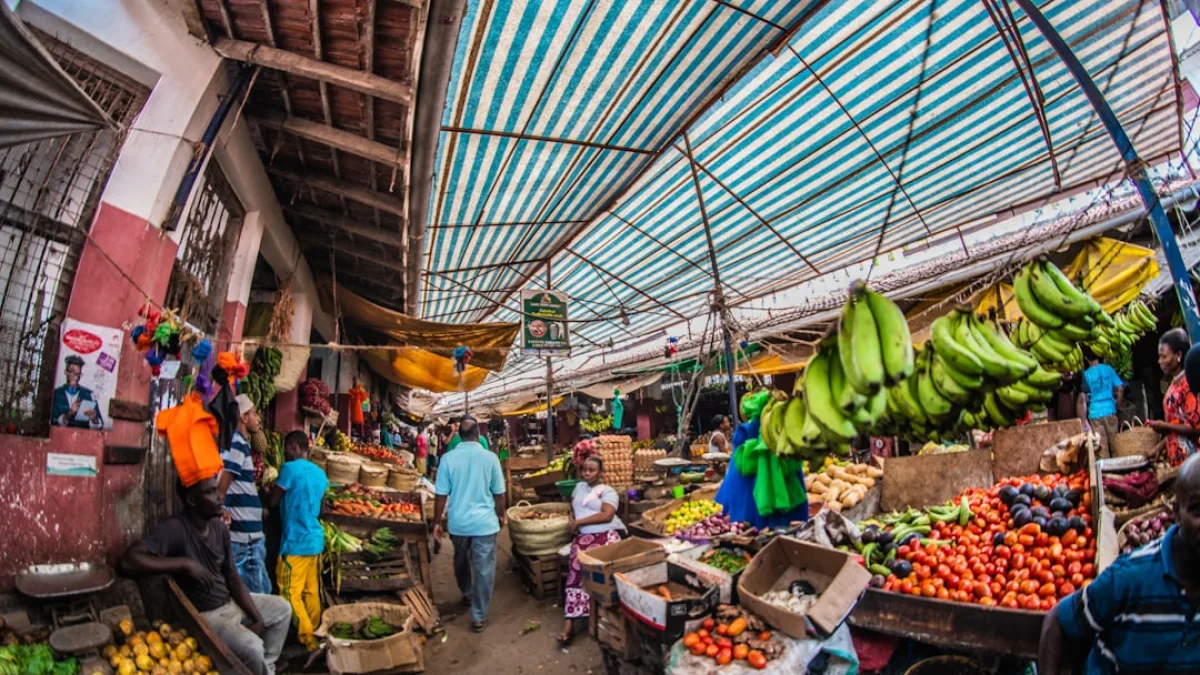
How to Sell Fresh Produce Online in Kenya with WhatsApp Delivery in 2026
If you are a Kenyan farmer, grocer, or small business owner looking to sell fresh produce online in 2026, the most practical and profitable approach is combining WhatsApp ordering with M-Pesa payments and same-day delivery. This method works because it matches how Kenyan customers already communicate and pay. In 2026, the market for fresh produce sold online in Kenya has grown significantly, with more urban customers expecting convenience without sacrificing quality. This guide covers everything you need to know about setting up, pricing, and delivering fresh produce through WhatsApp and M-Pesa in Kenya this year.
Why Selling Fresh Produce Online Through WhatsApp Works in 2026
The combination of WhatsApp and M-Pesa remains the backbone of small business ecommerce in Kenya. For fresh produce, this setup is especially effective because customers want speed, trust, and the ability to ask questions before buying. Unlike packaged goods, fresh produce requires more communication about ripeness, quantity, and substitution options. WhatsApp allows real-time conversation, while M-Pesa provides instant payment confirmation.
In 2026, over 95% of Kenyan smartphone users have WhatsApp, and M-Pesa continues to dominate mobile money transactions. By using these two tools, you avoid the complexity of building a full website while still offering a professional ordering experience. Many successful fresh produce sellers in Nairobi, Mombasa, Kisumu, and Nakuru now operate entirely through WhatsApp catalogs and M-Pesa paybills.
Setting Up Your Fresh Produce WhatsApp Delivery Business in Kenya
Step 1: Register Your Business Properly
Before you start selling, formalize your business. In 2026, the Business Registration Service (BRS) makes it easy to register a business name online for around Ksh 850. You also need a KRA PIN for tax compliance and to open a business M-Pesa till number or paybill. Customers trust registered businesses more, especially when buying perishable goods.
Step 2: Create Your WhatsApp Business Account
Download WhatsApp Business (free) and set up your profile with:
- A clear profile photo of your produce (not a logo alone)
- Your business hours and delivery areas
- A catalog of available fruits and vegetables with prices
- Quick replies for common questions like "What is your delivery fee?" or "Do you have sukuma wiki today?"
Update your catalog daily because fresh produce availability changes. In 2026, WhatsApp Business allows you to add up to 500 products with images, prices, and descriptions. For a fresh produce seller, this is more than enough.
Step 3: Set Up M-Pesa Payments
You need a way to receive payments without manual follow-ups. The best options in 2026 are:
- M-Pesa Paybill (Business Number): Best for businesses with multiple customers. You get a dedicated paybill number, and customers pay directly. Safaricom charges a small transaction fee.
- M-Pesa Till Number: Good for smaller operations. Customers pay to your till, and you confirm payment manually or via an automated system.
- M-Pesa Checkout Button: If you eventually build a website, you can integrate an M-Pesa checkout button through LinkDuka or similar platforms. This automates payment confirmation and order tracking.
For most fresh produce sellers starting in 2026, a paybill or till number works perfectly. LinkDuka offers integration that sends automatic payment confirmations to both you and the customer, reducing errors.
Step 4: Define Your Delivery Area and Fees
Fresh produce delivery in Kenya is challenging because of traffic, temperature, and time sensitivity. In 2026, successful sellers use these strategies:
- Zone-based pricing: Charge Ksh 100-200 for delivery within 3 km, Ksh 200-350 for 3-10 km, and free for orders above a minimum (e.g., Ksh 1,500).
- Same-day delivery windows: Offer morning (8-11 AM) and afternoon (2-5 PM) slots. Customers appreciate knowing exactly when their produce arrives.
- Use boda boda or courier services: Partner with Sendy, Glovo, or local boda boda riders. Many towns now have dedicated fresh produce delivery riders who charge per kilometer.
Pricing Fresh Produce for Online Sales in 2026
Pricing fresh produce online requires balancing customer expectations with your costs. Unlike electronics or clothes, fresh produce has a short shelf life and high wastage risk. In 2026, consider these pricing factors:
Cost Breakdown for a Typical Order
| Item | Cost (Ksh) |
|---|---|
| Produce cost (wholesale) | 500 |
| Packaging (paper bags, boxes) | 50-100 |
| Delivery fee (average 5 km) | 200 |
| M-Pesa transaction fee | 10-30 |
| Your margin (20-30%) | 200-300 |
| Total customer price | 960-1,130 |
Pricing Strategies That Work
- Bundle deals: Sell "Family Packs" (Ksh 1,500) with mixed vegetables and fruits. This increases average order value and reduces delivery cost per item.
- Subscription boxes: Offer weekly or bi-weekly produce boxes at a 10% discount. Customers pay via M-Pesa standing order or manual weekly payments.
- Dynamic pricing: Adjust prices based on seasonality. When tomatoes are abundant, lower the price and promote heavily. When they are scarce, raise prices but communicate why.
- Minimum order: Set a minimum of Ksh 500-1,000 to make delivery viable. Customers understand this and often add more items to reach the threshold.
Managing Fresh Produce Quality and Inventory
The biggest challenge in selling fresh produce online is ensuring customers receive what they expect. Unlike a physical market where they can touch and choose, online buyers rely on your descriptions and photos. In 2026, follow these quality control practices:
Daily Inventory Updates
Every morning, check your stock and update your WhatsApp catalog. Remove items that are not available. If you have limited quantities of a popular item (e.g., ripe avocados), mention it in your status. Customers appreciate honesty over disappointment.
Quality Grading
Grade your produce and label it clearly:
- Grade A: Premium, perfect condition, slightly higher price
- Grade B: Good quality, minor blemishes, lower price
This approach reduces complaints because customers know what they are getting. It also helps you sell produce that might otherwise go to waste.
Packaging for Freshness
Invest in proper packaging. In 2026, biodegradable paper bags and cardboard boxes are widely available and affordable in Kenya. Use these tips:
- Wrap leafy vegetables in slightly damp newspaper to keep them fresh during delivery
- Pack fruits separately to avoid bruising
- Use insulated bags for items like yoghurt or cut fruits (if you expand)
- Include a simple "handle with care" sticker on boxes
Marketing Your Fresh Produce WhatsApp Business
Google Business Profile
In 2026, having a Google Business Profile is essential for local discovery. When someone searches "fresh produce delivery Nairobi" or "fruits and vegetables WhatsApp delivery," your profile appears with your WhatsApp number, hours, and reviews. Set this up for free at google.com/business. Add photos of your produce weekly and respond to reviews promptly.
WhatsApp Status and Broadcast Lists
Post your daily availability on WhatsApp Status every morning. Include clear photos, prices, and a call to action like "Order now for delivery today." Use broadcast lists (sparingly) to inform regular customers about special offers or new arrivals. Avoid spamming-send no more than 2-3 broadcasts per week.
Referral Program
Encourage customers to refer friends by offering a Ksh 100 discount on their next order for every new customer they bring. This works well for fresh produce because people often share recommendations with neighbors and colleagues.
FREE · No credit card needed
Have a Shop & Ready to Move Online?
Don't panic — launch your free LinkDuka store in minutes. Accept M-Pesa, manage orders, and reach customers everywhere.
Start for Free →Legal and Tax Considerations for 2026
KRA Compliance
In 2026, the Kenya Revenue Authority requires all businesses with turnover above Ksh 1 million per year to register for VAT. For most small fresh produce sellers, turnover is below this threshold, so you can operate as a small business without VAT. However, you must:
- Issue receipts for every transaction (even WhatsApp orders)
- Keep records of all M-Pesa payments and expenses
- File monthly or quarterly returns if you are registered for income tax
Use the KRA iTax portal to register and file. If you are unsure, consult a tax accountant who understands small ecommerce businesses.
Data Protection
Under the Data Protection Act 2019, you must protect customer information. In practice, this means:
- Do not share customer phone numbers or addresses with third parties
- Get consent before adding customers to broadcast lists
- Store customer data securely (e.g., in a password-protected spreadsheet or CRM)
The Office of the Data Protection Commissioner Kenya provides guidelines for small businesses. Complying is simple and builds trust.
Common Challenges and Solutions in 2026
Challenge 1: Customers Want to See Produce Before Buying
Solution: Send a short video or multiple photos via WhatsApp before confirming the order. Offer a "satisfaction guaranteed or replacement" policy. Most customers appreciate the transparency and will order again.
Challenge 2: Delivery Delays
Solution: Set realistic delivery windows and communicate proactively. If a rider is delayed, message the customer with an updated ETA. In 2026, customers value honesty over speed.
Challenge 3: Substitutions When Items Are Out of Stock
Solution: Before delivery, message the customer: "We don't have ripe avocados today. Would you like green avocados or an extra bunch of bananas instead?" Always offer options, never force a substitution.
Challenge 4: M-Pesa Payment Confirmation Errors
Solution: Use an automated payment confirmation system like the one offered by LinkDuka. When a customer pays, you and the customer both receive a confirmation instantly. This eliminates the "I paid but you say you didn't receive" problem.
Expanding Beyond WhatsApp in 2026
While WhatsApp is an excellent starting point, many fresh produce sellers eventually add a simple online store. LinkDuka allows you to create a mobile-friendly store with M-Pesa integration, product catalogs, and order management. You can link your WhatsApp Business to your online store so customers can browse products on your website and order via WhatsApp or directly on the site.
This hybrid approach-WhatsApp for communication and a website for browsing-works well in 2026 because it caters to different customer preferences. Some people prefer the speed of WhatsApp, while others like seeing everything on one page.
Practical Example: A Day in the Life of a Fresh Produce Seller
Jane runs "Mama Mboga Online" in Nairobi's Lang'ata area. She wakes up at 5 AM, goes to Wakulima Market, and buys fresh produce. By 7 AM, she updates her WhatsApp catalog with prices and photos. She posts a status: "Today's fresh stock: sukuma wiki, tomatoes, onions, ripe mangoes, and passion fruit. Order by 10 AM for afternoon delivery."
By 9 AM, she has 12 orders. She packages each order with care, labels them, and arranges for a boda boda rider she works with daily. She confirms each payment via M-Pesa messages. By 1 PM, all deliveries are complete. She sends a thank-you message to each customer with a link to her LinkDuka store for future orders.
Jane earns Ksh 3,000-5,000 profit daily. Her secret? Consistency, quality, and fast communication. She never leaves a WhatsApp message unread for more than 10 minutes during business hours.
Final Thoughts for 2026
Selling fresh produce online in Kenya with WhatsApp delivery and M-Pesa is not a futuristic idea-it is a proven business model that works today. The key is to start small, focus on quality, and build trust one customer at a time. In 2026, customers are more willing than ever to buy groceries online, but they need to trust that their produce will be fresh and their delivery will be on time.
If you are ready to start, register your business, set up WhatsApp Business, activate an M-Pesa paybill, and begin selling to your network. As you grow, consider adding a simple online store through LinkDuka to reach more customers and automate your order management. The fresh produce market in Kenya is ripe for disruption, and WhatsApp delivery is your best entry point.
For more practical advice on selling online in Kenya, read our guide on how to sell products online in Kenya or learn about starting a free online shop with M-Pesa.

Was this post helpful?
Discussion
Comments